What Is Bump Forming and How Does It Work in Sheet Metal Fabrication?
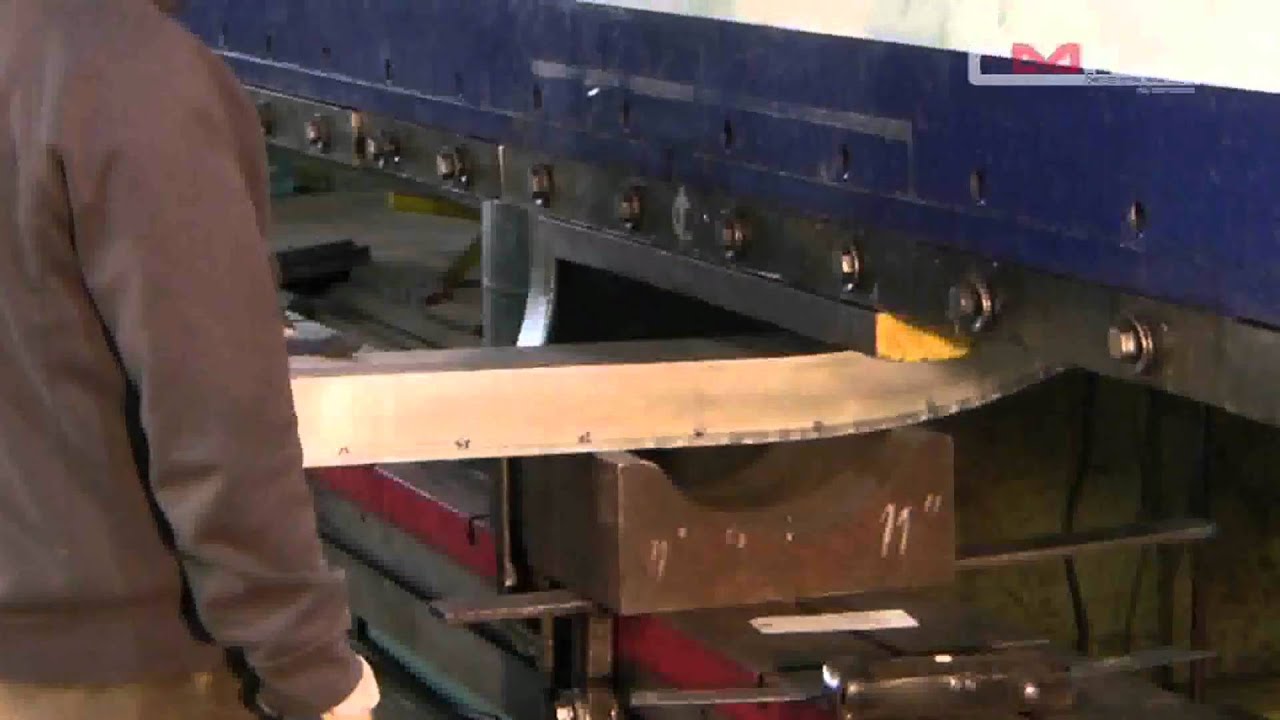
Curved metal parts are used in everything from machine covers to tanks and vehicle panels. Making these curves is challenging, especially for small custom shapes. ShincoFab and other shops use a bump form to dodge pricey molds, creating curved parts without lengthy tooling waits. Seems easy, but accuracy and planning are super important for it to work well.
Understanding Bump Form
Bump forming is often performed on a CNC press brake. The machine creates a long series of small bends placed very close together. When these bends connect across the sheet, the metal starts to resemble one continuous curve. The spacing between each bend affects the final appearance. Tight spacing creates a smoother finish, while wider spacing leaves a more visible stepped pattern. Fabricators need to consider appearance, speed, and cost before production starts. This works best for wide curves, not sharp corners. They use it for cylinders, cones, and curved panels, which wouldn't work with traditional bending methods anyway.
Why Fabricators Use It
One of the main reasons fabricators choose bump form is cost control. Custom dies and rolling tools can be expensive, especially for short production runs. A bump form reduces that problem because standard press-brake tooling can often handle the job. ShincoFab frequently uses this approach when customers need test parts before committing to full production. Since no permanent mold is required, design changes are easier to manage during early development stages. Another advantage is shorter lead time. Shops can usually begin bending parts much sooner because they do not need to wait for special tooling to be manufactured first.
How the Process Starts
Before bending begins, the fabricator studies the drawing and calculates the radius of the curve. Measurements must be accurate because even a small mistake can affect the entire shape. The operator also chooses the right material thickness and bend spacing. These decisions influence how smooth the finished curve will look. Often, software calculates the bend sequence before the metal gets to the machine. After that, the setup's done, and the flat sheet goes on the machine backgauge. Careful placement is key here. Each bend needs to follow the plan to keep everything consistent throughout.
The Role of the Press Brake
The press brake does the bending needed for the bump form. During each step, the punch barely presses into the metal, then releases. After each bend, the sheet moves forward a little for the next hit. This continues until the entire radius is done. Depending on the part's size, the operator may repeat the cycle dozens of times. At ShincoFab, operators often pause during production to compare the part against templates or measuring tools. Small adjustments during bending help prevent larger alignment problems later.
Material Selection
Not every metal behaves the same way during bump forming. Softer, more flexible materials form better curves because they don't crack when bent repeatedly. Mild steel is effective, bending predictably, and is easy to manipulate. Aluminum offers a lightweight option but can crack in brittle grades. Stainless steel also works but tends to spring back after bending. This means that operators need to adjust the machine depth and bend angles accordingly.
Surface Appearance
One thing fabricators must consider is surface finish. Since bump form creates many small bends, faint lines may remain visible along the curve. For industrial equipment, those lines are often acceptable. However, decorative or consumer-facing products may require extra finishing work. Grinding, sanding, or powder coating can reduce the appearance of bend marks. ShincoFab sometimes applies additional finishing steps for visible exterior parts where customers expect a smoother look. The amount of finishing depends on both budget and appearance requirements.
Common Uses
Bump forming appears in many industries because curved metal parts are widely used. Storage tanks, machine guards, ventilation systems, and transport equipment often include bump-formed components. Automotive fabrication shops also use this process for custom fuel tanks, curved panels, and restoration work. In some cases, medical and food-processing equipment manufacturers rely on bump form when building stainless steel housings. The method is especially useful for projects that require flexibility rather than extremely high production speed.
Challenges During Production
Although bump form saves money in many situations, the process still requires skill. Poor spacing or incorrect machine settings can leave the curve uneven or distorted. Wide sheets may also become difficult to control during long bending sequences. Material movement, springback, and alignment problems can affect the final shape if operators are not careful. ShincoFab addresses these issues by testing sample pieces before full production begins. Trial runs help operators adjust machine settings and reduce material waste later in the process.
Conclusion
Bump forming is a practical method for shaping curved sheet metal without relying on expensive custom tooling. By using multiple small bends rather than a single large forming step, fabricators can create smooth, curved parts with standard press brake equipment.